
How to Stop Condensation on Windows Overnight
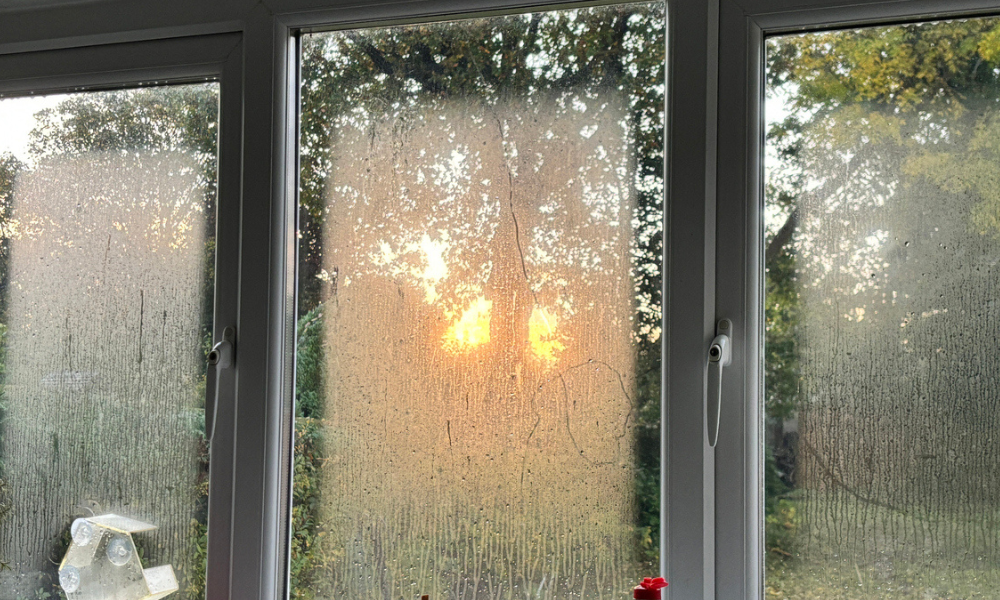
To reduce condensation on windows overnight, you need to lower moisture in the air, keep air moving and stop warm humid air sitting against cold glass.
Before bed, try these steps:
Open trickle vents if your windows have them.
Use extractor fans after cooking, bathing or showering.
Avoid drying clothes indoors overnight.
Keep the room gently heated if possible.
Leave curtains or blinds slightly open to help air move around the glass.
Wipe existing moisture from windows, seals and sills.
Keep internal doors managed so damp air from bathrooms or kitchens does not spread through the home.
These steps can help reduce condensation overnight. If your windows are wet most mornings, the issue is usually poor ventilation or excess moisture rather than the window itself.
Why does condensation form on windows overnight?
Condensation forms when warm, moisture-heavy air meets a cold surface. Overnight, the temperature often drops. Window glass becomes colder, air movement slows down and moisture settles as water droplets.
Bedrooms are a common problem because people breathe out moisture while sleeping. If the room is closed up for hours, that humid air has nowhere to go. By morning, you may see water on the glass, damp window sills or black mould around the frame.
Condensation can also be worse after cooking, showering, drying clothes indoors or keeping windows and vents closed to hold in heat.
What to do before bed tonight.
A few simple changes can help reduce the amount of water on your windows by morning.
Air the room briefly before bedtime if it is safe to do so. You do not need to leave windows wide open all night, but a short burst of fresh air can help remove moisture-heavy air.
Use bathroom and kitchen extractor fans before you go to bed, especially if anyone has showered, cooked or dried washing indoors during the evening. If moisture has already settled on the glass, wipe it away before sleeping so it does not sit on the seals and sills overnight.
Try not to push large furniture or thick curtains tightly against cold external walls or windows. This can trap damp air and make mould more likely.
What to do in the morning.
If you wake up to wet windows, wipe the water from the glass, seals and sill. Dry the area properly rather than letting the moisture run down into the frame or wall.
Open a window briefly where safe. This helps exchange stale indoor air for fresh air. Check whether the same rooms are affected every morning. If condensation appears in several rooms, or mould keeps returning after cleaning, the property may need better ventilation.
It is also worth checking where the condensation is. Condensation on the inside of the glass is usually linked to moisture and airflow. Condensation between double glazing panes may mean the sealed unit has failed.
What not to rely on.
Window vacs, moisture traps and dehumidifiers can help manage water in the short term. They do not always solve the cause.
Try not to rely only on wiping windows every morning, painting over mould or blocking vents to keep heat in. Blocking airflow can make condensation worse, even if the home feels warmer for a short time.
If black mould is forming around windows, walls or ceilings, the moisture problem needs to be dealt with. You can read more about the link between moisture, ventilation and mould on our black mould and damp page.
When condensation is a sign of a bigger ventilation problem.
Occasional condensation can happen in many UK homes. Recurring condensation is different.
You may have a wider ventilation issue if:
Windows are wet most mornings.
Mould returns after cleaning.
Rooms smell damp or musty.
Air feels stale.
Condensation appears in several rooms.
Water pools on sills.
The problem gets worse in winter.
Poor ventilation allows moisture to build up inside the home. Once that moisture meets cold glass, walls or ceilings, condensation forms. If this keeps happening, mould can grow and damage can spread.
Long-term ways to stop window condensation.
The right long-term fix depends on the property.
For bathrooms, kitchens and utility rooms, better extraction may be needed. A quality extractor fan can remove moisture at the source before it spreads through the home.
For whole-property condensation, a PIV system may be more suitable. Positive Input Ventilation introduces fresh, filtered air into the home and helps move stale, moisture-heavy air out through natural leakage points. This can help reduce the conditions that cause wet windows, damp smells and mould.
You can learn more about our PIV unit installation service if condensation keeps coming back despite daily ventilation.
Some properties may also need checks for leaks, failed glazing, penetrating damp or other building issues. Ventilation is important, but it should be matched to the cause of the problem.
Can PIV stop condensation on windows overnight?
PIV is not a quick one-night trick. It is a long-term ventilation solution.
A correctly specified PIV system can help reduce recurring window condensation where the main issue is trapped moisture and poor airflow. It works by improving air movement through the home, introducing filtered air and helping moisture-heavy air leave the property.
If condensation is caused by a leak, failed glazing or another defect, that issue still needs to be fixed. But where the problem is poor ventilation, PIV can be an effective way to reduce condensation and improve indoor air quality.
Need help with recurring condensation?
If you are wiping your windows every morning, or mould keeps returning around the frames, the issue may be poor ventilation rather than the windows themselves.
Condensation Cured can assess your property and advise whether PIV, extractor fans or another ventilation solution is suitable.
Contact our team to discuss your condensation problem and get clear advice.
Related Articles
Mould in Rental Properties: Tenant and Landlord Responsibilities
How to Control Mould: Prevention Tips Before It Takes Over Your Home
The Importance of Ventilation as the Winter 2025 Condensation Season Approaches